All guides
Practical guides to daily life in Jerusalem, written for English-speakers and organised by topic. Each guide is a plain-language walkthrough of one thing you will need to do: rent, enrol a child, insure a car, choose a phone plan.

The practical layer under the programme's orientation: what to sort out before the flight, the first week, Shabbos out, a doctor at midnight, sirens, and what parents back home should know.

One seder, seven days, and a city that spends chol hamoed outdoors. Here are the 2027 dates and everything from selling chametz to the Mimouna picnics.
Jerusalem keeps Purim a day after everyone else. Here are the 2027 dates, what happens on each day, and how the city runs while it celebrates.

A CIA-trained private chef in Talpiyot who cooks Shabbat meals, simchas, birthday dinners and full fridges for visitors and Jerusalem families.

One of Jerusalem's largest neighbourhoods: bigger apartments for the money, strong religious communities and a long bus ride to the centre.

Next to the Hebrew University's Mount Scopus campus and on the light rail: a mixed neighbourhood of students, academics and families.

Narrow lanes, hidden courtyards, a shul on every corner and the shuk next door. What it is really like to live in Nachlaot.

Three neighbourhoods under one name: quiet Arnona, the shops and warehouses of Talpiot, and East Talpiot on the ridge. What living in each is like.

Families coming for the chagim often rent an apartment rather than a hotel. When to book, what to ask, and a Shabbat-friendly checklist.

Young families, kollel couples, Anglo shops and the light rail nearby. What living in Ramat Eshkol is like.

Terraced streets with views over the Jerusalem Forest, and the city's largest English-speaking chareidi community. What living in Har Nof is like.

Leafy, central and prestigious. Rehavia's 1930s streets and Talbiyeh's grand houses, and what living there is like.

Old Katamon's gardens and shuls, and the more affordable Katamonim next door. What living in Katamon is like, and which half suits you.

Emek Refaim's cafés, Templer stone houses, the First Station and the Train Track Park. The best-known English-speaking address in Jerusalem.

Quiet streets, stone houses, the Train Track Park and one of the city's biggest English-speaking family communities. What living in Baka is really like.

The Dead Sea is about an hour from Jerusalem. Here is how to get there by bus or tour, which beach to pick, and how much you can fit into one day.
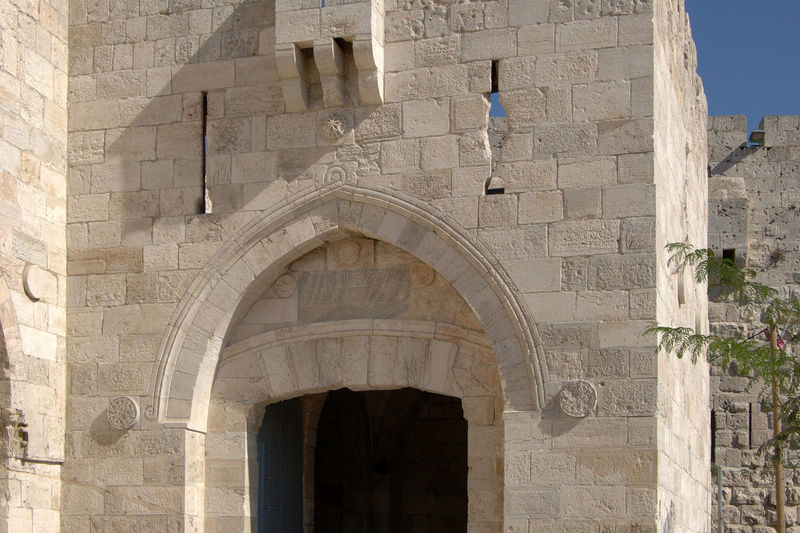
Gates, quarters, the Kotel, the tunnels and the rules nobody tells you. A practical guide to the Old City, with prices and a half-day route.
Pick the neighbourhood first. Here is where to stay in Jerusalem, whether you want the Old City on foot, a family-friendly base, or a Shabbat walk to the Kotel.

Some of the best of Jerusalem happens after dark, and a lot of it is free. A local's list for evenings, couples and tight budgets.

Which hospital, which ER for children, and how to find a pharmacy at midnight or on Shabbat. The essentials for residents and visitors.

Eight nights of menorahs in glass boxes along the alleys, a lighting at the Kotel every evening, and a sufganiya on every counter. Here are this year's dates and how the city runs during the holiday.

Jerusalem is not cheap, but it doesn't have to be expensive. Here is what a day really costs, from a backpacker's budget to a comfortable family trip.

A mikvah is a pool of natural water used for ritual immersion. Here is what it is for, how it works, and how Jerusalem's mikvaot fit into daily life.

The fast train takes about half an hour between Jerusalem and Tel Aviv. Here are all the options, including how to travel on Shabbat.

Blue and white means pay, red and white means don't. The rules, the apps, the residents' permit, and where to park when you're heading to the Old City.

Jerusalem is a family city. Here are the places local parents actually go, sorted by age, with rainy-day options and practical tips.

Jerusalem is higher, drier and colder in winter than most visitors expect. Here is what each month is like, and what to pack.

From Friday afternoon to Saturday night, Jerusalem changes completely. Here is how to plan a visitor's Shabbat: food, getting around, what's open and what's worth doing.

Two lines, one card, ₪8 a ride. Everything you need to ride Jerusalem's light rail, from the stops you'll actually use to what happens on Shabbat.

Jerusalem is not for everyone, and that is the point. Here is what residents love, what wears them down, and how it compares with Tel Aviv.

Sukkot is the week Jerusalem is at its busiest and most joyful. Here are this year's dates, the big events, and how to plan around the crowds.

The train is the fastest and cheapest way from the airport to Jerusalem when it runs. Here are the options, what they cost, and what to do when you land on Shabbat.

Jerusalem's second light rail line opened on 21 August 2026, running from Jaffa Road to Malha. Here is where it goes, who it helps, and what comes next.

We do not keep a restaurant list, because hours and certificates change every month. Here is the durable part: how the system works, where the clusters are, and how to choose well in any of them.

A good date needs somewhere you can hear each other, sit for two hours without pressure, and leave easily. Jerusalem has plenty, including the hotel lobbies that shidduch dating runs on.

Jerusalem is a hill city with forests and spring-fed valleys on three sides. Here are the walks locals do on a Friday morning, by season and by how much effort you want.

Whether you are at the Hebrew University, a yeshiva or seminary, a gap-year programme or Bezalel, Jerusalem is a good student city with an expensive housing problem. Here is the practical layer.
Jerusalem runs on a weekly and yearly clock that stops for Shabbat and the festivals. Here is what actually closes, what stays open, how transport works, and the calendar from Rosh Hashana to Tisha B'Av as a resident lives it.

School ends in late June, the municipal camp covers the first weeks of July, and then August is yours. Here is how the summer is structured in Jerusalem and the camps that fill it, including the English-speaking ones.

Jerusalem is a hill city with stone apartments and no central heating, and December surprises everyone who moved from a warm-house country. Here is how to heat, dry and survive it, starting in October.

Kosher food is everywhere in Jerusalem, but the certificates are not all the same. What Rabbanut regular, mehadrin and the badatz agencies each cover, which ones match what an OU or Star-K family keeps, and how to check a certificate.

Two different questions hide in "is Jerusalem safe": ordinary crime, where the city is calmer than most, and the security situation, which has its own routines. Here is the resident's version of both.

Jerusalem's job market is government, education, health, tech and tourism, salaries are lower than you are used to, and the payslip has lines you have never seen. Here is how it works, including the olim tax breaks and freelancing.

Is Jerusalem expensive? Yes, and rent is why. Here is a line-by-line monthly budget for a single person and a family of four, with 2026 ranges and the levers that move them.

You can drive on your foreign licence for a while after arriving, and then you have to convert it. The process is mostly online and a single short drive, if you start before the clock runs out.

Every new oleh is entitled to a free ulpan, and every English-speaker in Jerusalem knows someone who never finished it. Here is how the courses work and how to get value from them.

Family doctor, urgent care or emergency room? A decision tree for Jerusalem, plus how referrals, prescriptions and English-speaking doctors work inside the health funds.

The school system is free, zoned and organised in streams, the day ends early, and the calendar follows the Jewish year. Here is what an English-speaking family needs to know before choosing a neighbourhood.

Six bills, five payees, and two of them come every two months. Here is what each one is, how to get it into your name, and where the discounts hide.

The bank account is the key that unlocks rent, salary, sal klita and the health fund. Here is how to open one in your first week, what to ask for, and how Israeli banking differs from home.

The Iriya touches daily life more than newcomers expect: the hotline that fixes your street, the community centre that runs your children's afternoons, the festivals, the parks and the parking permit.

Groceries, electronics, clothes, furniture, second-hand and the international sites that ship here, with the delivery and customs realities behind each.

Letters come to the door; parcels mostly do not. How the pickup system works, what to do when the SMS arrives, and how customs on an overseas order gets paid.

Where to go for clothes, electronics, furniture and a rainy afternoon with children, and the shopping habits that differ from what you are used to.

Jerusalem has three tiers of supermarket, a world-famous market and a makolet on every corner. Here is how they differ, when to go, and what the signs at the till mean.
The Rav-Kav card, the light rail, buses and the apps that tie them together — plus what stops on Shabbat and how to reach the airport.

What the four health funds have in common, what actually differs between them in Jerusalem, and how registration and switching work.

The Hebrew that appears on the contract, the bill and the clinic door, grouped by situation, with the script, how to say it and what it means.

The paperwork, accounts and registrations most new arrivals need in their first four weeks, in the order that saves the most return trips.

Jerusalem's nights happen in the shuk's bars, the centre's pubs and a handful of music venues. Here are the bars that are open now, what's open on Friday night, and how to get home.
Jerusalem is friendly and clannish at the same time. Here is where English-speakers actually find friends: the shul, the neighbourhood group chat, the olim organisations, the volunteering and the kids' activities.

Where the Jerusalem Bituach Leumi branches are, how to get an appointment, what you pay if you are not working, and the allowances new residents are owed, with the 2026 figures.

Israeli car insurance comes in three layers, and only the first is compulsory. Here is what each covers, how to buy it, and what happens after a bump on a Jerusalem street.

Israeli mobile plans are cheap, contract-free and mostly unlimited, and the decision is about the brand's customer service rather than the network. Here is how to choose in ten minutes.

Israeli home internet historically came as two bills, the line and the provider; fibre bundles have simplified it. Here is how to check what your building has and get connected in a week.

Which Jerusalem neighbourhood fits you depends on three things: who you want as neighbours, how you will get around, and what you can pay. Here is the honest map.

The companion to our mikvah directory: how the mikvaot in Jerusalem actually run, what a visit involves, and where to get good guidance, including the Eden Center's resources.

Which supermarket to use is one question; what is on the shelf is another. Kashrut labels, the price-controlled staples, the Israeli versions of what you miss, and how to order it all online.

From maon at a few months old to gan chova at five: the frameworks, what each one costs, the subsidies worth claiming, when registration opens and how placement works, and what to expect once your child starts.

Israeli renting runs on cheques, guarantors and a Hebrew contract, and most apartments come without a fridge. Here is the process from first listing to handing back the keys.

Cars are expensive in Israel, used cars are the normal purchase, and the paperwork is lighter than the price tag suggests. Here is the process and the traps.